The Faith Received
The Christian tradition is the Christian's inheritance.
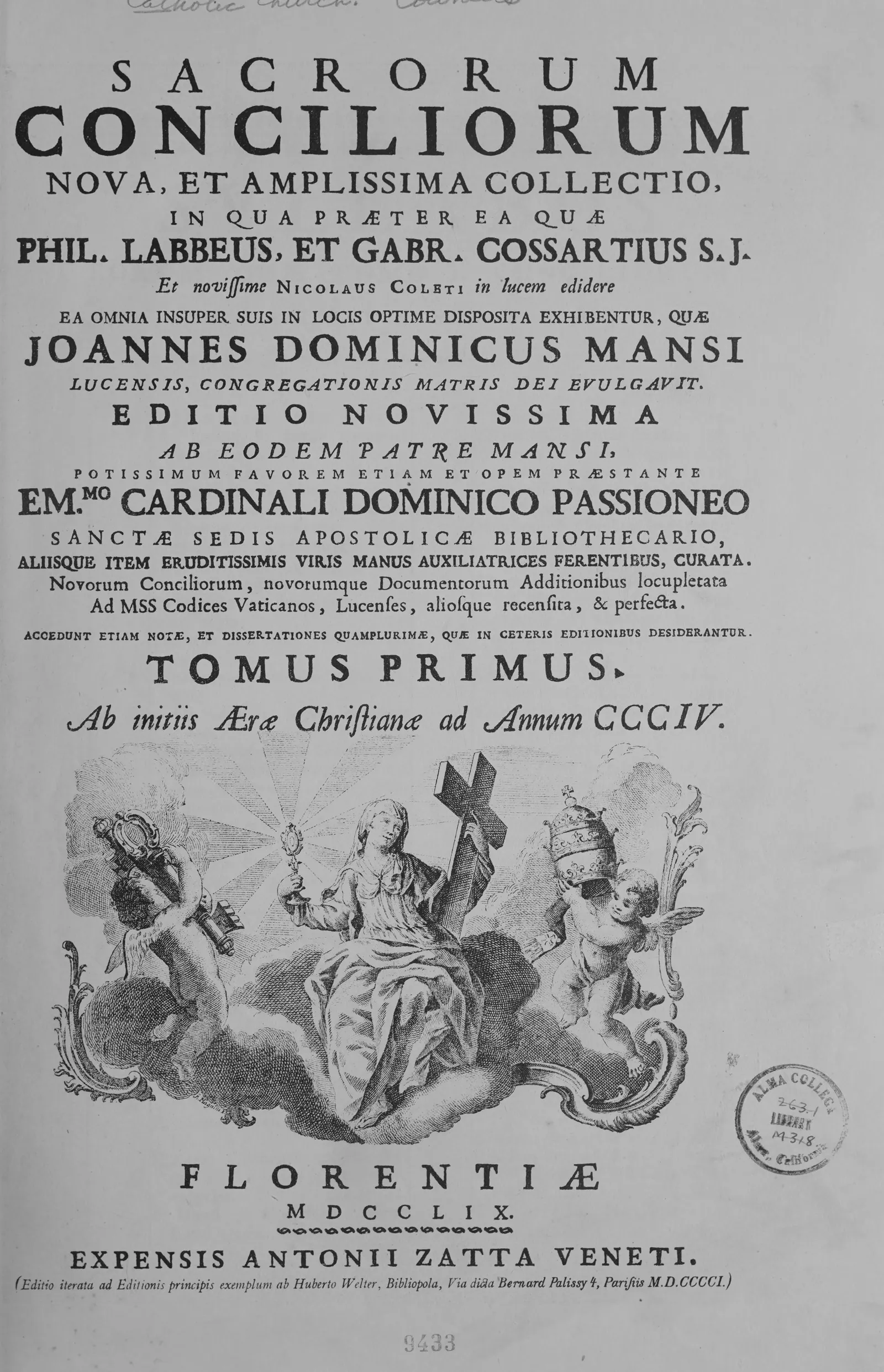
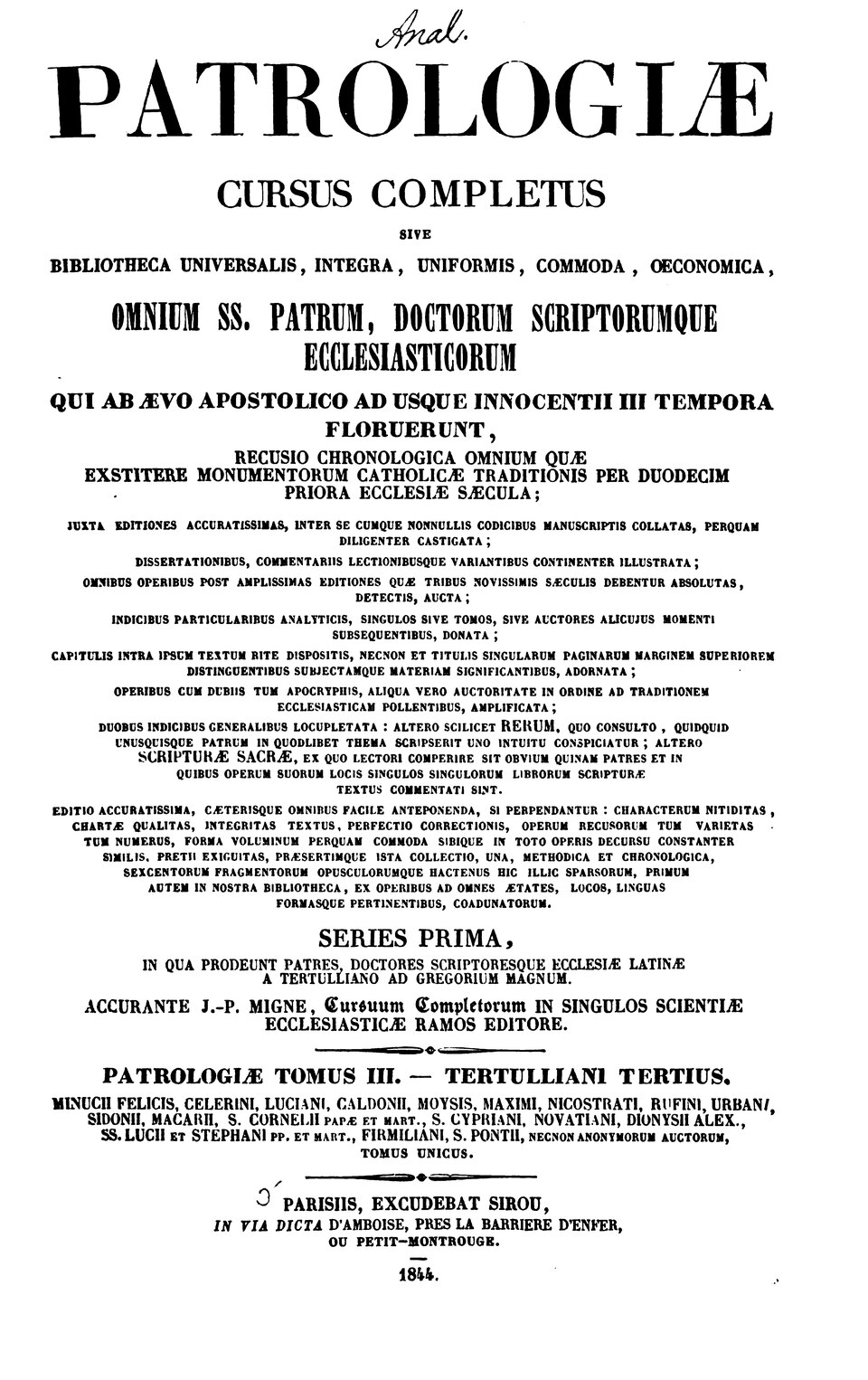
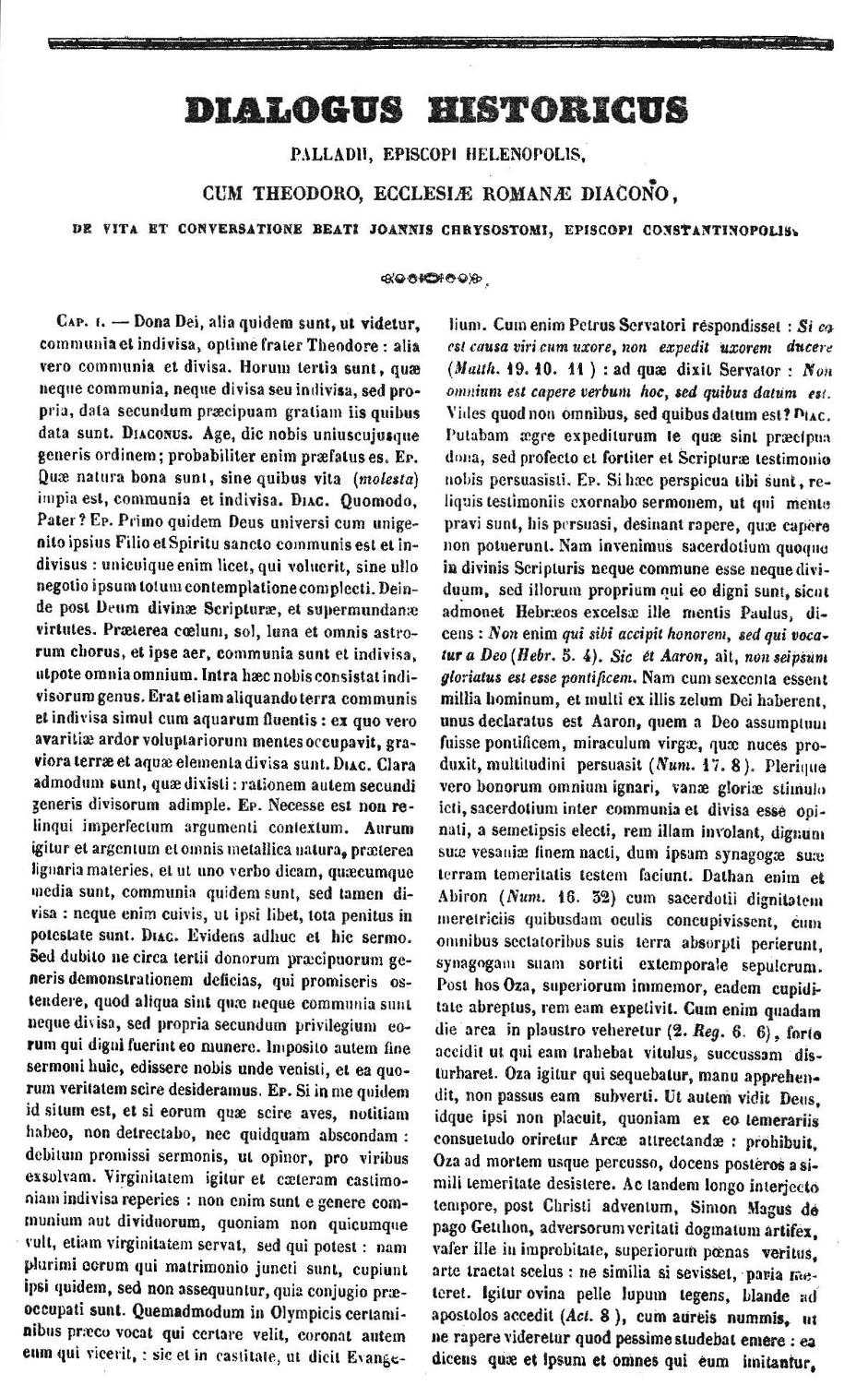
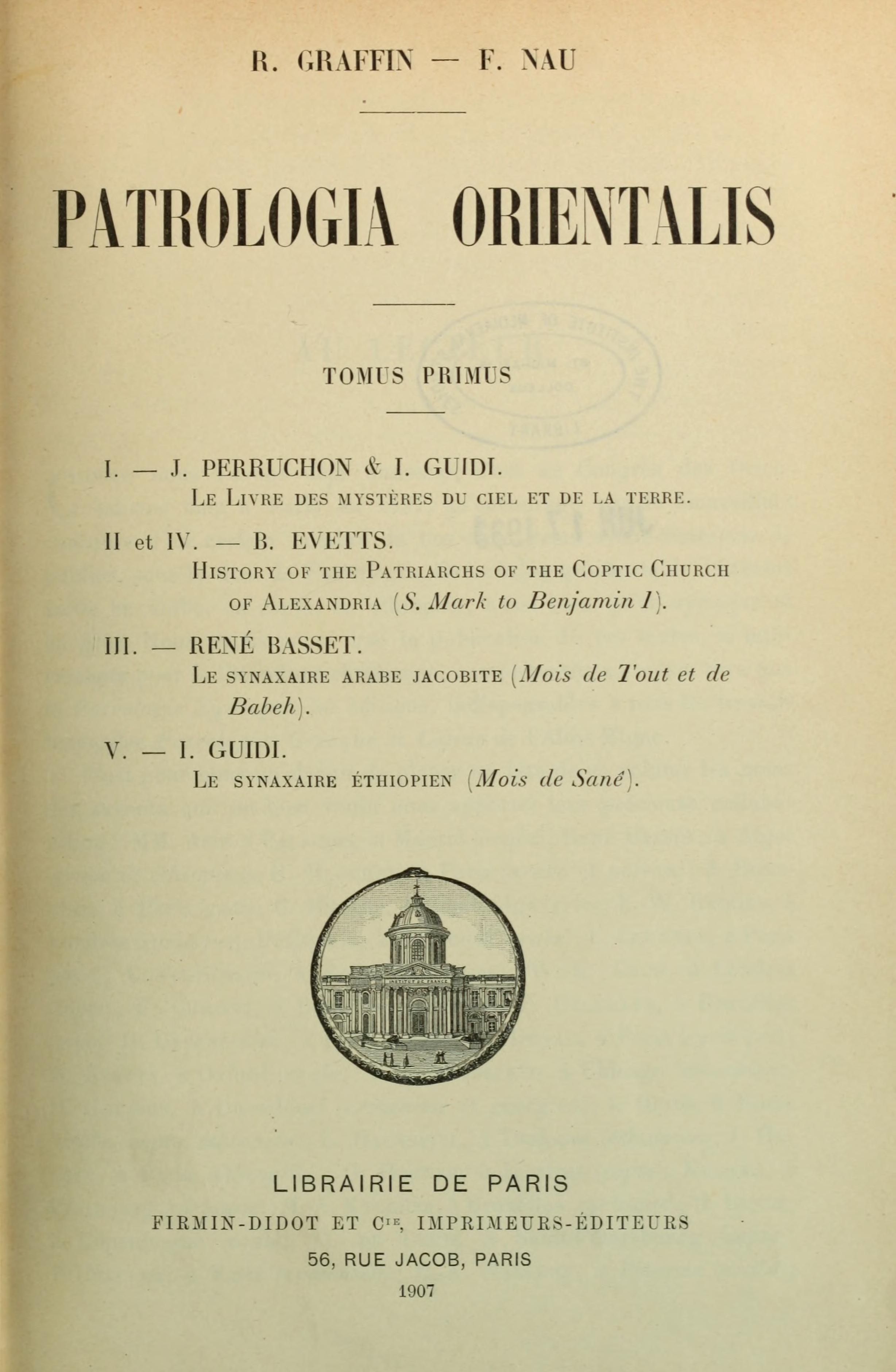
The Faith Received gathers the creeds, confessions, and classic works of the Christian tradition into a single reading room — designed to be publicly available, practically usable, and beautifully readable.
c. 50–120 AD
The Didache
16 chapters of early Christian teaching on ethics, worship, and church life.
Read & studyc. 2nd–4th Century
The Apostles’ Creed
The ancient baptismal confession of the Christian faith in three articles.
Read & study325 / 381 AD
The Nicene Creed
The definitive creed of the universal church on the Trinity and incarnation.
Read & studyc. 5th–6th Century
The Athanasian Creed
The most thorough ecumenical creed on the Trinity and the Incarnation.
Read & study451 AD
The Chalcedonian Definition
The definitive statement on the two natures of Christ in one person.
Read & study1530
The Augsburg Confession
28 articles of the Lutheran faith presented to Emperor Charles V at the Diet of Augsburg.
Read & study1561
The Belgic Confession
37 articles of faith confessing the core doctrines of the Christian faith.
Read & study1563
The Heidelberg Catechism
129 questions and answers for the Christian life, organized into 52 Lord’s Days.
Read & study1571
Thirty-Nine Articles of Religion
39 articles defining the doctrinal position of the Church of England after the Reformation.
Read & study1647
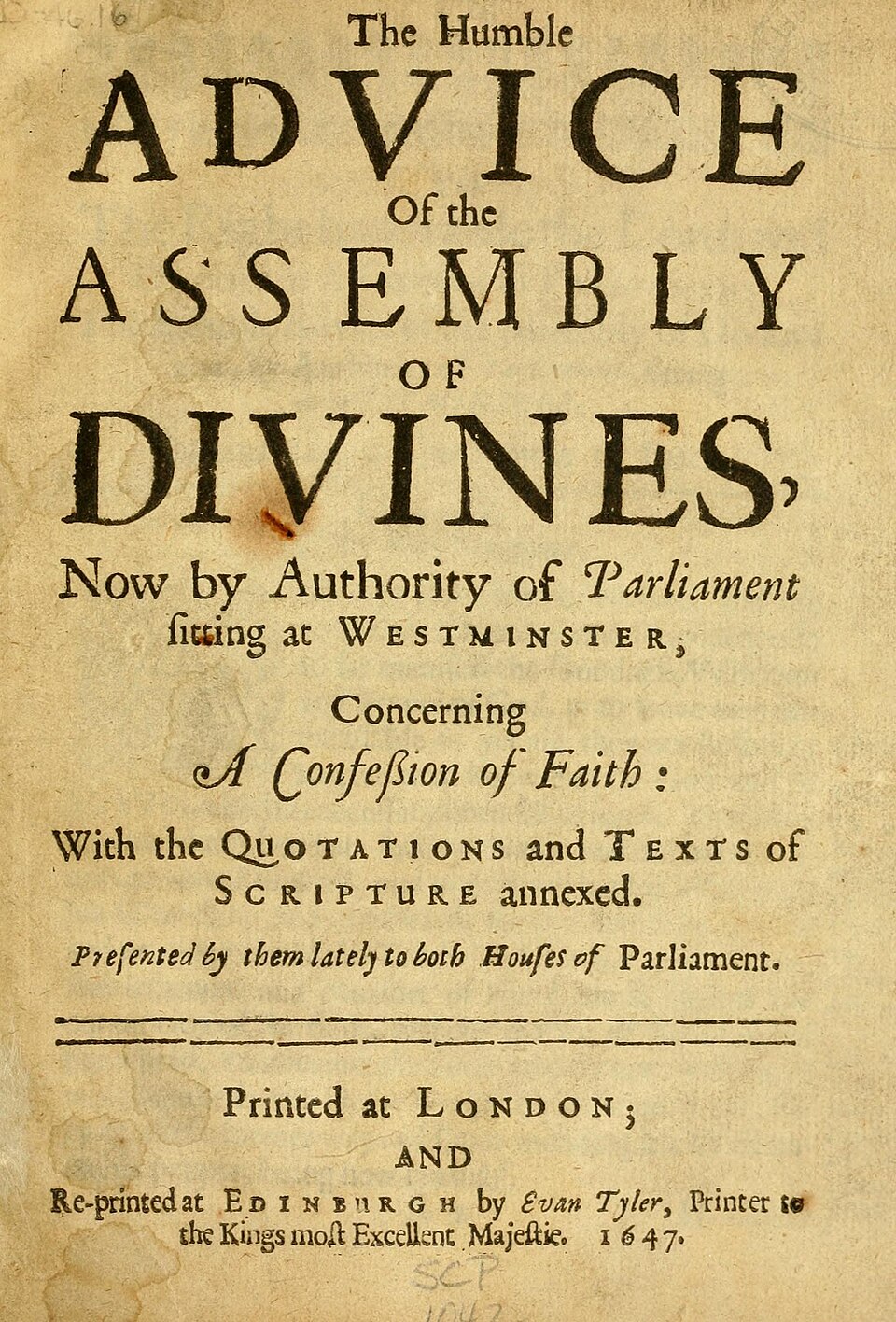
Westminster Larger Catechism
196 questions and answers expanding the Westminster doctrine for further study.
Read & study1647
Westminster Shorter Catechism
107 questions and answers teaching the essentials of Reformed Christian doctrine.
Read & study1689
London Baptist Confession
32 chapters of Reformed Baptist doctrine with scripture proofs from the Second London Confession.
Read & study1974
The Lausanne Covenant
15 articles on world evangelization from the 1974 International Congress at Lausanne.
Read & studyc. 70–132
The Epistle of Barnabas
An early Christian treatise cast as a letter, interpreting the Old Testament allegorically to argue that the covenant belongs to Christians rather than Jews. It includes an early form of the Two Ways teaching also found in the Didache.
Read & studyc. 95–120
Fragments of Papias
Surviving fragments from the lost five-volume Exposition of the Oracles of the Lord by the Bishop of Hierapolis, preserved mainly through quotations in Irenaeus and Eusebius. Papias is a key witness to early traditions about the Gospels and apostolic teaching.
Read & studyc. 96
First Epistle to the Corinthians
The earliest surviving letter from the Church of Rome, written to the church in Corinth to address divisions and restore order. Clement appeals to the example of the apostles and the ordering of creation to call the Corinthians back to humility and unity.
Read & studyc. 2nd–3rd century
Hortatory Address to the Greeks
An exhortation to the Greeks to abandon paganism, arguing that Moses and the prophets are older and more reliable than Greek poets and philosophers.
Read & studyc. 2nd–3rd Century
Letter to Diognetus
12 chapters of early Christian apology on the distinctiveness of the faith.
Read & studyc. 2nd–3rd century
On the Sole Government of God
A treatise arguing for monotheism against polytheism, drawing on Greek poets and philosophers who acknowledged a single supreme deity.
Read & studyc. 2nd century
The Discourse to the Greeks
A short address urging Greeks to abandon their mythology and turn to the superior wisdom found in the Hebrew prophets and Christian teaching.
Read & studyc. 2nd–4th century
The Martyrdom of Ignatius
An account of the arrest, journey, and execution of Ignatius of Antioch in the Colosseum at Rome under Emperor Trajan. Its historical reliability is debated, but it preserves the early church’s memory of one of its most celebrated martyrs.
Read & studyc. 100–160
The Shepherd of Hermas
An early Christian text structured as a series of visions, commandments, and parables delivered to Hermas by angelic figures. Widely read in the early church and sometimes counted among the scriptures, it teaches repentance, moral discipline, and the possibility of forgiveness after baptism.
Read & studyc. 110–140
Epistle to the Philippians
Polycarp’s letter to the church at Philippi, urging them to persevere in righteousness and warning against the love of money. Written in the shadow of Ignatius’s martyrdom, it is one of the earliest surviving Christian letters outside the New Testament.
Read & studyc. 110
The Epistles of Ignatius
Seven letters written by the Bishop of Antioch while being transported to Rome for execution. Ignatius urges the churches to maintain unity under their bishops, warns against docetism, and expresses his passionate desire for martyrdom.
Read & studyc. 155–160
Dialogue with Trypho
The longest surviving early Christian apologetic work, recording a two-day conversation between Justin and Trypho, a Jewish interlocutor. Justin argues from the Hebrew scriptures that Jesus is the promised Messiah and that the church is the true Israel.
Read & studyc. 155
The First Apology
An open letter addressed to Emperor Antoninus Pius defending Christians against charges of atheism and immorality. Justin explains Christian worship, the Eucharist, and baptism, and argues that Greek philosophy pointed toward the truth fulfilled in Christ.
Read & studyc. 155–160
The Martyrdom of Polycarp
The earliest surviving account of a Christian martyrdom outside the New Testament. Written as a letter from the church at Smyrna, it describes the arrest, trial, and death of their aged bishop Polycarp, presenting his suffering as a witness patterned on Christ.
Read & studyc. 155–161
The Second Apology
A shorter defense of Christianity prompted by the unjust execution of Christians in Rome. Justin argues that the Logos (Word/Reason) present in all people finds its fullness in Christ, making Christians the true philosophers.
Read & studyc. 165–175
Address to the Greeks
A fierce polemic against Greek culture and philosophy by a student of Justin Martyr. Tatian argues that Christian wisdom, rooted in Moses, is far older and truer than anything the Greeks produced.
Read & studyc. 177
A Plea for the Christians
An elegant apology addressed to Emperor Marcus Aurelius and his son Commodus, refuting charges of atheism, cannibalism, and incest against Christians. Athenagoras makes a philosophical case for monotheism and the resurrection of the body.
Read & studyc. 177
On the Resurrection of the Dead
The earliest surviving treatise devoted entirely to the doctrine of bodily resurrection. Athenagoras argues philosophically that God both can and will raise the dead, and that resurrection is necessary for the full human person to receive just judgment.
Read & studyc. 180
Against Heresies
The most important theological work of the second century. Across five books Irenaeus exposes and refutes Gnostic systems, develops the doctrine of apostolic succession, articulates the rule of faith, and presents a theology of recapitulation in which Christ restores what Adam lost.
Read & studyc. 180–200
Fragments from the Lost Writings of Irenaeus
Surviving fragments from lost works of Irenaeus, preserved through quotations in later authors. They supplement Against Heresies with additional teaching on creation, the soul, and the interpretation of scripture.
Read & studyc. 180
Theophilus to Autolycus
Three books addressed to a pagan friend, defending Christianity and expounding the doctrine of God. Theophilus is the first known writer to use the word ‘Trinity’ (trias) for the Godhead.
Read & studyc. 195
Exhortation to the Heathen
The first work in Clement’s trilogy, calling the Greeks away from the mysteries and mythology of paganism toward the true Logos, Jesus Christ. Clement draws deeply on Greek philosophy and literature to argue that Christianity is the fulfillment of the best in Greek thought.
Read & studyc. 197
Ad Martyras
A letter of encouragement to Christians imprisoned and awaiting martyrdom, urging them to see their prison as a school of discipline and their coming death as a victory.
Read & studyc. 197–200
An Answer to the Jews
An argument that the Old Testament prophecies have been fulfilled in Christ and that the new covenant has superseded the old. Draws heavily on the same material later expanded in Against Marcion.
Read & studyc. 197
Apology
Tertullian’s most famous work, a vigorous legal defense of Christianity addressed to the Roman governors of Africa. He exposes the injustice of persecuting Christians without fair trial, refutes charges of secret crimes, and argues that Christian worship and morality far surpass pagan practice.
Read & studyc. 197–202
The Shows
An argument that Christians must abstain from the public spectacles — gladiatorial games, chariot races, and theatrical performances — because they are rooted in idolatry and inflame the passions.
Read & studyc. 198–200
On Baptism
The earliest surviving treatise on baptism. Tertullian explains its institution, necessity, proper administration, and effects, while arguing against the Cainite heresy that denied baptism’s validity.
Read & studyc. 198–212
On Idolatry
A comprehensive treatment of how Christians should navigate a society permeated by pagan religion, covering occupations, festivals, dress, and speech that might entangle believers in idolatrous practice.
Read & studyc. 198–200
On Prayer
A commentary on the Lord’s Prayer and an exposition of Christian prayer, covering posture, times, and the spirit in which believers should approach God.
Read & studyc. 198–203
On Repentance
A treatise on the nature of repentance, distinguishing true conversion from mere regret and discussing the church’s practice of public penance for post-baptismal sin.
Read & studyc. 198
The Instructor
The second work in Clement’s trilogy. Christ as the divine Pedagogue guides the baptized in daily life, covering topics from diet and dress to sleep and conduct at banquets, always pointing from outward behavior to inward virtue.
Read & studyc. 200–206
Against Hermogenes
A refutation of Hermogenes, who taught that God created the world from pre-existing matter. Tertullian defends creation ex nihilo as essential to God’s sovereignty and goodness.
Read & studyc. 200–203
On Patience
A reflection on patience as the supreme Christian virtue, grounded in God’s own patience toward sinful humanity. Tertullian confesses his own struggle with the virtue even as he commends it.
Read & studyc. 200
The Prescription Against Heretics
A groundbreaking argument that heretics have no right to appeal to scripture because the scriptures belong to the churches that received them from the apostles. Tertullian’s legal metaphor of praescriptio establishes the principle of apostolic tradition as the criterion of orthodoxy.
Read & studyc. 200–210
The Stromata, or Miscellanies
The third and most ambitious work in Clement’s trilogy. A wide-ranging exploration of the relationship between faith and philosophy, arguing that the true Gnostic is the mature Christian who unites knowledge and virtue under the guidance of scripture.
Read & studyc. 200
Who Is the Rich Man That Shall Be Saved?
A sermon on Mark 10:17–31 arguing that Jesus does not condemn wealth itself but the enslavement of the soul to possessions. Clement counsels a disciplined use of riches for the service of others and closes with the famous story of the apostle John and the young robber.
Read & studyc. 203
The Passion of Perpetua and Felicitas
One of the most remarkable documents of early Christianity. The prison diary of Perpetua, a young noblewoman, and her fellow catechumens awaiting execution in Carthage. Perpetua’s first-person account of her visions and her father’s pleas is among the earliest surviving writings by a Christian woman.
Read & studyc. 206–212
Against the Valentinians
A satirical exposé of Valentinian Gnosticism, revealing the absurdity of its elaborate mythology of aeons and emanations. Tertullian relies heavily on Irenaeus but adds his own rhetorical flair.
Read & studyc. 206–212
On the Flesh of Christ
A defense of the true incarnation against docetism and Marcion. Tertullian insists that Christ took real human flesh, born of a virgin, and that the reality of the incarnation is essential to the reality of salvation.
Read & studyc. 206–212
On the Resurrection of the Flesh
A treatise defending the bodily resurrection against Gnostic spiritualizers. Tertullian argues from creation, incarnation, the sacraments, and scripture that the flesh is essential to God’s purposes and will be raised.
Read & studyc. 207–212
Against Marcion
Five books refuting the dualist theology of Marcion, who rejected the Old Testament and taught that the God of Israel was an inferior creator. Tertullian defends the unity of the Creator and Redeemer, the goodness of creation, and the authority of the full biblical canon.
Read & studyc. 210
A Treatise on the Soul
A philosophical and theological treatise on the nature of the soul, arguing against Platonic and Gnostic views. Tertullian teaches that the soul is corporeal, created with the body, and transmitted from parent to child (traducianism).
Read & studyc. 211–213
Scorpiace
An antidote to the ‘scorpion sting’ of Gnostic teaching that martyrdom is unnecessary. Tertullian defends the duty and glory of confessing Christ unto death.
Read & studyc. 211
The Chaplet, or De Corona
Prompted by a soldier’s refusal to wear a military laurel wreath, Tertullian argues that Christians must reject customs rooted in pagan worship, even when scripture does not explicitly forbid them.
Read & studyc. 212
To Scapula
A brief open letter to the proconsul of Africa warning against persecuting Christians, with examples of divine judgment on persecutors and appeals to the loyalty and harmlessness of the Christian community.
Read & studyc. 213
Against Praxeas
The most important pre-Nicene treatise on the Trinity. Tertullian coins the Latin formula ‘one substance, three persons’ (una substantia, tres personae) while refuting the modalism of Praxeas, who collapsed the distinction between Father and Son.
Read & studyc. 318 AD
On the Incarnation
Athanasius’ classic defense of the Incarnation — why the eternal Word took flesh to restore fallen humanity and conquer death.
Read & studyc. 397–400 AD
Confessions
Augustine’s autobiographical meditation on sin, grace, memory, and time — the first great Western autobiography.
Read & studyc. 1418–1427
The Imitation of Christ
The most widely read devotional work after the Bible — a guide to the interior life of prayer, humility, and union with God.
Read & study1517
The 95 Theses
95 propositions challenging the sale of indulgences, sparking the Protestant Reformation.
Read & study1536 / 1559
Institutes of the Christian Religion
The foundational work of Reformed systematic theology — covering God, Scripture, Christ, salvation, and the Church across four books.
Read & study1615
Syntagma Theologiae Christianae
The first fully systematic Reformed scholastic theology, organised on the Ramist bifurcating method by Amandus Polanus von Polansdorf (1561–1610), professor at Basel. The Syntagma covers all loci of dogmatics across ten books and was the leading textbook of the early Reformed orthodoxy, drawn upon by virtually every later Reformed scholastic.
Read & study1682
The Existence and Attributes of God
A comprehensive Puritan treatise on the divine perfections — 14 discourses exploring God’s existence, eternity, immutability, omnipresence, and other attributes.
Read & study1722–1723
Resolutions
70 personal resolutions for holy living, written between ages 18 and 20.
Read & study1891
Rerum Novarum
The foundational papal encyclical on the rights of workers, the duties of capital, and the role of the Church in social justice.
Read & study1928
The Book of Common Prayer
The 1928 American Book of Common Prayer, including the Daily Office, Holy Communion, Sacramental Rites, the Psalter, and the Ordinal.
Read & studyPatristic & Early Church
The undivided Church of the first millennium - creeds, councils, and the Greek and Latin fathers whose witness all later traditions inherit.
c. 50–120 AD
The Didache
16 chapters of early Christian teaching on ethics, worship, and church life.
Read & studyc. 70–132
The Epistle of Barnabas
An early Christian treatise cast as a letter, interpreting the Old Testament allegorically to argue that the covenant belongs to Christians rather than Jews. It includes an early form of the Two Ways teaching also found in the Didache.
Read & studyc. 95–120
Fragments of Papias
Surviving fragments from the lost five-volume Exposition of the Oracles of the Lord by the Bishop of Hierapolis, preserved mainly through quotations in Irenaeus and Eusebius. Papias is a key witness to early traditions about the Gospels and apostolic teaching.
Read & studyc. 96
First Epistle to the Corinthians
The earliest surviving letter from the Church of Rome, written to the church in Corinth to address divisions and restore order. Clement appeals to the example of the apostles and the ordering of creation to call the Corinthians back to humility and unity.
Read & studyc. 2nd–3rd century
Hortatory Address to the Greeks
An exhortation to the Greeks to abandon paganism, arguing that Moses and the prophets are older and more reliable than Greek poets and philosophers.
Read & studyc. 2nd–3rd Century
Letter to Diognetus
12 chapters of early Christian apology on the distinctiveness of the faith.
Read & studyc. 2nd–3rd century
On the Sole Government of God
A treatise arguing for monotheism against polytheism, drawing on Greek poets and philosophers who acknowledged a single supreme deity.
Read & studyc. 2nd–4th Century
The Apostles’ Creed
The ancient baptismal confession of the Christian faith in three articles.
Read & studyc. 2nd century
The Discourse to the Greeks
A short address urging Greeks to abandon their mythology and turn to the superior wisdom found in the Hebrew prophets and Christian teaching.
Read & studyc. 2nd–4th century
The Martyrdom of Ignatius
An account of the arrest, journey, and execution of Ignatius of Antioch in the Colosseum at Rome under Emperor Trajan. Its historical reliability is debated, but it preserves the early church’s memory of one of its most celebrated martyrs.
Read & studyc. 100–160
The Shepherd of Hermas
An early Christian text structured as a series of visions, commandments, and parables delivered to Hermas by angelic figures. Widely read in the early church and sometimes counted among the scriptures, it teaches repentance, moral discipline, and the possibility of forgiveness after baptism.
Read & studyc. 110–140
Epistle to the Philippians
Polycarp’s letter to the church at Philippi, urging them to persevere in righteousness and warning against the love of money. Written in the shadow of Ignatius’s martyrdom, it is one of the earliest surviving Christian letters outside the New Testament.
Read & studyc. 110
The Epistles of Ignatius
Seven letters written by the Bishop of Antioch while being transported to Rome for execution. Ignatius urges the churches to maintain unity under their bishops, warns against docetism, and expresses his passionate desire for martyrdom.
Read & studyc. 155–160
Dialogue with Trypho
The longest surviving early Christian apologetic work, recording a two-day conversation between Justin and Trypho, a Jewish interlocutor. Justin argues from the Hebrew scriptures that Jesus is the promised Messiah and that the church is the true Israel.
Read & studyc. 155
The First Apology
An open letter addressed to Emperor Antoninus Pius defending Christians against charges of atheism and immorality. Justin explains Christian worship, the Eucharist, and baptism, and argues that Greek philosophy pointed toward the truth fulfilled in Christ.
Read & studyc. 155–160
The Martyrdom of Polycarp
The earliest surviving account of a Christian martyrdom outside the New Testament. Written as a letter from the church at Smyrna, it describes the arrest, trial, and death of their aged bishop Polycarp, presenting his suffering as a witness patterned on Christ.
Read & studyc. 155–161
The Second Apology
A shorter defense of Christianity prompted by the unjust execution of Christians in Rome. Justin argues that the Logos (Word/Reason) present in all people finds its fullness in Christ, making Christians the true philosophers.
Read & studyc. 165–175
Address to the Greeks
A fierce polemic against Greek culture and philosophy by a student of Justin Martyr. Tatian argues that Christian wisdom, rooted in Moses, is far older and truer than anything the Greeks produced.
Read & studyc. 177
A Plea for the Christians
An elegant apology addressed to Emperor Marcus Aurelius and his son Commodus, refuting charges of atheism, cannibalism, and incest against Christians. Athenagoras makes a philosophical case for monotheism and the resurrection of the body.
Read & studyc. 177
On the Resurrection of the Dead
The earliest surviving treatise devoted entirely to the doctrine of bodily resurrection. Athenagoras argues philosophically that God both can and will raise the dead, and that resurrection is necessary for the full human person to receive just judgment.
Read & studyc. 180
Against Heresies
The most important theological work of the second century. Across five books Irenaeus exposes and refutes Gnostic systems, develops the doctrine of apostolic succession, articulates the rule of faith, and presents a theology of recapitulation in which Christ restores what Adam lost.
Read & studyc. 180–200
Fragments from the Lost Writings of Irenaeus
Surviving fragments from lost works of Irenaeus, preserved through quotations in later authors. They supplement Against Heresies with additional teaching on creation, the soul, and the interpretation of scripture.
Read & studyc. 180
Theophilus to Autolycus
Three books addressed to a pagan friend, defending Christianity and expounding the doctrine of God. Theophilus is the first known writer to use the word ‘Trinity’ (trias) for the Godhead.
Read & studyc. 195
Exhortation to the Heathen
The first work in Clement’s trilogy, calling the Greeks away from the mysteries and mythology of paganism toward the true Logos, Jesus Christ. Clement draws deeply on Greek philosophy and literature to argue that Christianity is the fulfillment of the best in Greek thought.
Read & studyc. 197
Ad Martyras
A letter of encouragement to Christians imprisoned and awaiting martyrdom, urging them to see their prison as a school of discipline and their coming death as a victory.
Read & studyc. 197–200
An Answer to the Jews
An argument that the Old Testament prophecies have been fulfilled in Christ and that the new covenant has superseded the old. Draws heavily on the same material later expanded in Against Marcion.
Read & studyc. 197
Apology
Tertullian’s most famous work, a vigorous legal defense of Christianity addressed to the Roman governors of Africa. He exposes the injustice of persecuting Christians without fair trial, refutes charges of secret crimes, and argues that Christian worship and morality far surpass pagan practice.
Read & studyc. 197–202
The Shows
An argument that Christians must abstain from the public spectacles — gladiatorial games, chariot races, and theatrical performances — because they are rooted in idolatry and inflame the passions.
Read & studyc. 198–200
On Baptism
The earliest surviving treatise on baptism. Tertullian explains its institution, necessity, proper administration, and effects, while arguing against the Cainite heresy that denied baptism’s validity.
Read & studyc. 198–212
On Idolatry
A comprehensive treatment of how Christians should navigate a society permeated by pagan religion, covering occupations, festivals, dress, and speech that might entangle believers in idolatrous practice.
Read & studyc. 198–200
On Prayer
A commentary on the Lord’s Prayer and an exposition of Christian prayer, covering posture, times, and the spirit in which believers should approach God.
Read & studyc. 198–203
On Repentance
A treatise on the nature of repentance, distinguishing true conversion from mere regret and discussing the church’s practice of public penance for post-baptismal sin.
Read & studyc. 198
The Instructor
The second work in Clement’s trilogy. Christ as the divine Pedagogue guides the baptized in daily life, covering topics from diet and dress to sleep and conduct at banquets, always pointing from outward behavior to inward virtue.
Read & studyc. 200–206
Against Hermogenes
A refutation of Hermogenes, who taught that God created the world from pre-existing matter. Tertullian defends creation ex nihilo as essential to God’s sovereignty and goodness.
Read & studyc. 200–203
On Patience
A reflection on patience as the supreme Christian virtue, grounded in God’s own patience toward sinful humanity. Tertullian confesses his own struggle with the virtue even as he commends it.
Read & studyc. 200
The Prescription Against Heretics
A groundbreaking argument that heretics have no right to appeal to scripture because the scriptures belong to the churches that received them from the apostles. Tertullian’s legal metaphor of praescriptio establishes the principle of apostolic tradition as the criterion of orthodoxy.
Read & studyc. 200–210
The Stromata, or Miscellanies
The third and most ambitious work in Clement’s trilogy. A wide-ranging exploration of the relationship between faith and philosophy, arguing that the true Gnostic is the mature Christian who unites knowledge and virtue under the guidance of scripture.
Read & studyc. 200
Who Is the Rich Man That Shall Be Saved?
A sermon on Mark 10:17–31 arguing that Jesus does not condemn wealth itself but the enslavement of the soul to possessions. Clement counsels a disciplined use of riches for the service of others and closes with the famous story of the apostle John and the young robber.
Read & studyc. 203
The Passion of Perpetua and Felicitas
One of the most remarkable documents of early Christianity. The prison diary of Perpetua, a young noblewoman, and her fellow catechumens awaiting execution in Carthage. Perpetua’s first-person account of her visions and her father’s pleas is among the earliest surviving writings by a Christian woman.
Read & studyc. 206–212
Against the Valentinians
A satirical exposé of Valentinian Gnosticism, revealing the absurdity of its elaborate mythology of aeons and emanations. Tertullian relies heavily on Irenaeus but adds his own rhetorical flair.
Read & studyc. 206–212
On the Flesh of Christ
A defense of the true incarnation against docetism and Marcion. Tertullian insists that Christ took real human flesh, born of a virgin, and that the reality of the incarnation is essential to the reality of salvation.
Read & studyc. 206–212
On the Resurrection of the Flesh
A treatise defending the bodily resurrection against Gnostic spiritualizers. Tertullian argues from creation, incarnation, the sacraments, and scripture that the flesh is essential to God’s purposes and will be raised.
Read & studyc. 207–212
Against Marcion
Five books refuting the dualist theology of Marcion, who rejected the Old Testament and taught that the God of Israel was an inferior creator. Tertullian defends the unity of the Creator and Redeemer, the goodness of creation, and the authority of the full biblical canon.
Read & studyc. 210
A Treatise on the Soul
A philosophical and theological treatise on the nature of the soul, arguing against Platonic and Gnostic views. Tertullian teaches that the soul is corporeal, created with the body, and transmitted from parent to child (traducianism).
Read & studyc. 211–213
Scorpiace
An antidote to the ‘scorpion sting’ of Gnostic teaching that martyrdom is unnecessary. Tertullian defends the duty and glory of confessing Christ unto death.
Read & studyc. 211
The Chaplet, or De Corona
Prompted by a soldier’s refusal to wear a military laurel wreath, Tertullian argues that Christians must reject customs rooted in pagan worship, even when scripture does not explicitly forbid them.
Read & studyc. 212
To Scapula
A brief open letter to the proconsul of Africa warning against persecuting Christians, with examples of divine judgment on persecutors and appeals to the loyalty and harmlessness of the Christian community.
Read & studyc. 213
Against Praxeas
The most important pre-Nicene treatise on the Trinity. Tertullian coins the Latin formula ‘one substance, three persons’ (una substantia, tres personae) while refuting the modalism of Praxeas, who collapsed the distinction between Father and Son.
Read & studyc. 318 AD
On the Incarnation
Athanasius’ classic defense of the Incarnation — why the eternal Word took flesh to restore fallen humanity and conquer death.
Read & study325 / 381 AD
The Nicene Creed
The definitive creed of the universal church on the Trinity and incarnation.
Read & studyc. 397–400 AD
Confessions
Augustine’s autobiographical meditation on sin, grace, memory, and time — the first great Western autobiography.
Read & studyc. 5th–6th Century
The Athanasian Creed
The most thorough ecumenical creed on the Trinity and the Incarnation.
Read & study451 AD
The Chalcedonian Definition
The definitive statement on the two natures of Christ in one person.
Read & studyRoman Catholic
The Western tradition continuing through Rome - the medieval doctors, the devotional classics, and modern Catholic social teaching.
c. 397–400 AD
Confessions
Augustine’s autobiographical meditation on sin, grace, memory, and time — the first great Western autobiography.
Read & studyc. 1418–1427
The Imitation of Christ
The most widely read devotional work after the Bible — a guide to the interior life of prayer, humility, and union with God.
Read & study1891
Rerum Novarum
The foundational papal encyclical on the rights of workers, the duties of capital, and the role of the Church in social justice.
Read & studyScholastic
The systematic dogmatics of the medieval and post-Reformation universities - theology argued in the schoolroom method, in dialogue with Aristotle and the fathers, organised by question and distinction.
1615
Syntagma Theologiae Christianae
The first fully systematic Reformed scholastic theology, organised on the Ramist bifurcating method by Amandus Polanus von Polansdorf (1561–1610), professor at Basel. The Syntagma covers all loci of dogmatics across ten books and was the leading textbook of the early Reformed orthodoxy, drawn upon by virtually every later Reformed scholastic.
Read & study1647
Westminster Larger Catechism
196 questions and answers expanding the Westminster doctrine for further study.
Read & study1682
The Existence and Attributes of God
A comprehensive Puritan treatise on the divine perfections — 14 discourses exploring God’s existence, eternity, immutability, omnipresence, and other attributes.
Read & studyLutheran
The Reformation that began with Luther’s protest at Wittenberg and crystallised in the Augsburg Confession.
Anglican
The English Reformation as set down in the Articles of Religion and the Book of Common Prayer.
1571
Thirty-Nine Articles of Religion
39 articles defining the doctrinal position of the Church of England after the Reformation.
Read & study1928
The Book of Common Prayer
The 1928 American Book of Common Prayer, including the Daily Office, Holy Communion, Sacramental Rites, the Psalter, and the Ordinal.
Read & studyReformed
The Calvinist tradition - confessions, catechisms, and dogmatics from Geneva, the Netherlands, the Palatinate, Westminster, and New England.
1536 / 1559
Institutes of the Christian Religion
The foundational work of Reformed systematic theology — covering God, Scripture, Christ, salvation, and the Church across four books.
Read & study1561
The Belgic Confession
37 articles of faith confessing the core doctrines of the Christian faith.
Read & study1563
The Heidelberg Catechism
129 questions and answers for the Christian life, organized into 52 Lord’s Days.
Read & study1615
Syntagma Theologiae Christianae
The first fully systematic Reformed scholastic theology, organised on the Ramist bifurcating method by Amandus Polanus von Polansdorf (1561–1610), professor at Basel. The Syntagma covers all loci of dogmatics across ten books and was the leading textbook of the early Reformed orthodoxy, drawn upon by virtually every later Reformed scholastic.
Read & study1647
Westminster Larger Catechism
196 questions and answers expanding the Westminster doctrine for further study.
Read & study1647
Westminster Shorter Catechism
107 questions and answers teaching the essentials of Reformed Christian doctrine.
Read & study1682
The Existence and Attributes of God
A comprehensive Puritan treatise on the divine perfections — 14 discourses exploring God’s existence, eternity, immutability, omnipresence, and other attributes.
Read & study1689
London Baptist Confession
32 chapters of Reformed Baptist doctrine with scripture proofs from the Second London Confession.
Read & study1722–1723
Resolutions
70 personal resolutions for holy living, written between ages 18 and 20.
Read & studyBaptist
The believer-baptist confessional tradition - rooted in Reformed theology but distinguished by ecclesiology and the ordinances.
Evangelical
The modern world-evangelization movement - cross-denominational and missional, expressed in the Lausanne Covenant.
God & Trinity
The nature, attributes, and triune being of God — Father, Son, and Holy Spirit.
107 passages
IIScripture & Revelation
The authority, inspiration, and sufficiency of the Bible as God’s revealed Word.
108 passages
IIICreation & Providence
God’s work of creating all things and His sustaining governance over the world.
83 passages
IVSin & the Fall
Original sin, human depravity, and the consequences of the fall for all mankind.
48 passages
VChrist & the Incarnation
The person, natures, and offices of Jesus Christ — true God and true man.
154 passages
VISalvation & Justification
Atonement, redemption, justification by faith, adoption, and sanctification.
149 passages
VIIThe Holy Spirit
The person and work of the Holy Spirit in creation, redemption, and the life of the believer.
125 passages
VIIIThe Church
The nature, marks, government, and ministry of the church of Jesus Christ.
131 passages
IXSacraments & Ordinances
Baptism, the Lord’s Supper, and other ordinances instituted by Christ.
209 passages
XThe Christian Life
Discipleship, virtue, devotion, and spiritual growth in following Christ.
84 passages
XIThe Law & Ethics
The moral law, the Ten Commandments, and Christian ethics and obedience.
199 passages
XIIPrayer
The nature, practice, and theology of prayer, including the Lord’s Prayer.
123 passages
XIIILast Things
Death, resurrection, final judgment, and the life of the world to come.
108 passages
Loading scripture index…
Loading today's reading…
Set up your plan
Choose your sources.
Tick any combination of the historic documents and library works. The engine will queue one entry from each per day, in the order you add them.
Loading sources…
Add a Bible track
Pick a Bible reading.
Optional. Each track is one chapter per day, fetched live from the Christian Standard Bible.
Pick at least one source to save.