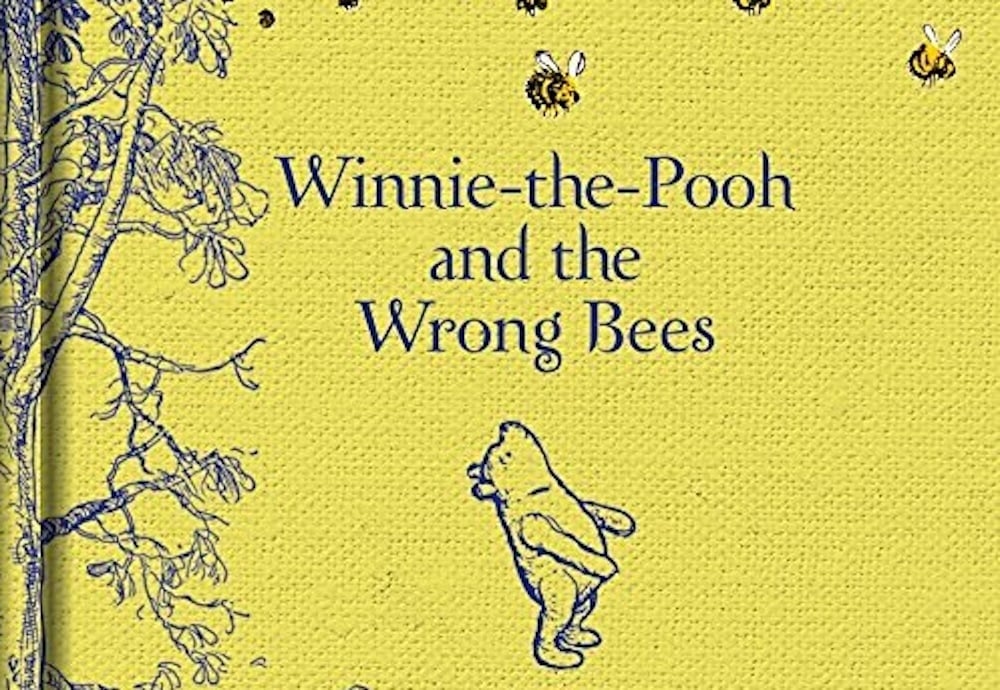
The recent Supreme Court decision in Mahmoud v. Taylor sided with the parents of public school children whose county “introduced a variety of ‘LGBTQ+-inclusive’ texts into the public school curriculum. Those texts included five ‘LGBTQ+-inclusive’ storybooks approved for students in kindergarten through fifth grade, which have story lines focused on sexuality and gender.” I agree with the court’s decision. And yet, there is an important issue connected to this case (although outside its legal purview), which I have not yet seen sufficiently addressed. Put simply, it involves the quality of books assigned in public schools. This issue takes us out of the realm of content alone, which has been at the center of the case, and leads us to the bigger civilizational question: What is the purpose of books in public education and, by implication, in our society?
true
true
Want to keep reading?
Subscribe for free to access this article and all of our resources.
I’m very grateful for the work of MO and have really appreciated the things I’ve learned and the companion that it has been for me on my spiritual journey.
Mere Orthodoxy reader
Thank you for offering thoughtful, reasonable and decent commentary. It is a boon to my sanity at this stage of my life in this cultural moment.
Mere Orthodoxy reader
Mere Orthodoxy is (for me) a counterpoint to social media, a place of depth and critical thought.
Mere Orthodoxy reader
You're in. Check your inbox.
Something went wrong. Try again.
Nadya Williams
Nadya Williams is the Books Editor at Mere Orthodoxy. She holds a PhD in Classics from Princeton University and is the author of Cultural Christians in the Early Church; Mothers, Children, and the Body Politic: Ancient Christianity and the Recovery of Human Dignity; and Christians Reading Classics (forthcoming Zondervan Academic, 2025). She and her husband Dan joyfully live and homeschool in Ashland, Ohio.
.png?width=5000&height=2188&name=Mere%20Orthodoxy%20-%20Banner.png%20(1).png)