
When it comes to news, it’s the craziest and most outrageous stories that sell. The New York Times and various major news outlets regularly run stories on the stiff motherhood penalty for women’s careers, grimly state that “Motherhood should come with a warning label,” or liken it to “a trap you can’t escape.” I’ve argued elsewhere that “how we talk about motherhood matters,” but right now I’d like to reflect on something else that is insufficiently considered. It’s a simple point, but an important one: Modern motherhood is fun, really.
Yes, once upon a time, as recently as a century or less ago, mothers had to toil over washing cloth diapers without a washing machine, drying and ironing them by hand. Such was the fate of my own mom in the Soviet Union, where washing machines were not generally accessible to all. Children in the not-so-distant past also got much sicker—and often died—before the availability of modern antibiotics and vaccines. In addition, the cost of certain luxuries we now take for granted—such as books—was significantly higher. Mothers also had to spend much more time than we do on procuring food and preparing it. Now, by contrast, grocery order pickup is free in many stores, and grocery delivery to your home is often quite affordable as well.
I could understand some media hand-wringing over the challenges of motherhood at a time when it required significantly more daily physical and mental labor than it does now. But it is striking to see the complaints and the constant reassurances that it is okay to be ambivalent over having (or not having) children bloom so freely in an age where the more drudgery-oriented tasks of motherhood have largely been removed from us, leaving to us joys to delight in—if only we will accept these gifts. So where do we find this fun? It may vary from family to family, but here are a few glimpses from mine.
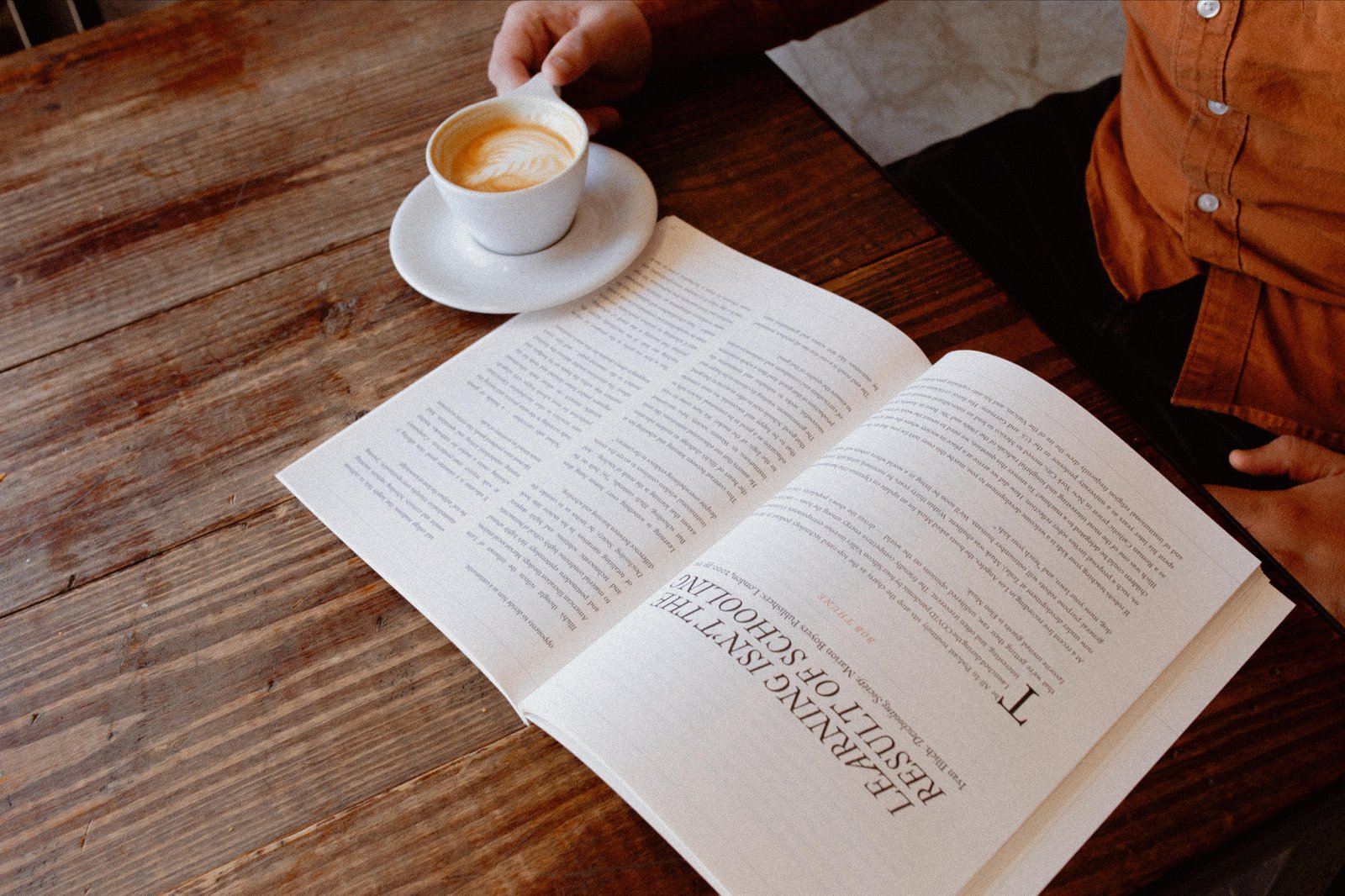
During a typical week of parenting and homeschooling in my small town in rural Ohio, I spend hours reading and re-reading classic books to and with my children, reviewing Greek and Latin grammar, going to parks and playdates and ballet class, making experimental dishes just to see if it will work, and having the most unexpected conversations with my kids and their friends. There is a delight in spending time together with my kids, enjoying rediscovering activities that I once loved as a child but haven’t had time for since, and also seeing my kids discover their own interests and talents. I read much more since becoming a mom—not less. And, no less important, my reading is much more diverse now, because of my kids. But also, my kids are some of my favorite people around—because they are genuinely fun people to be around.
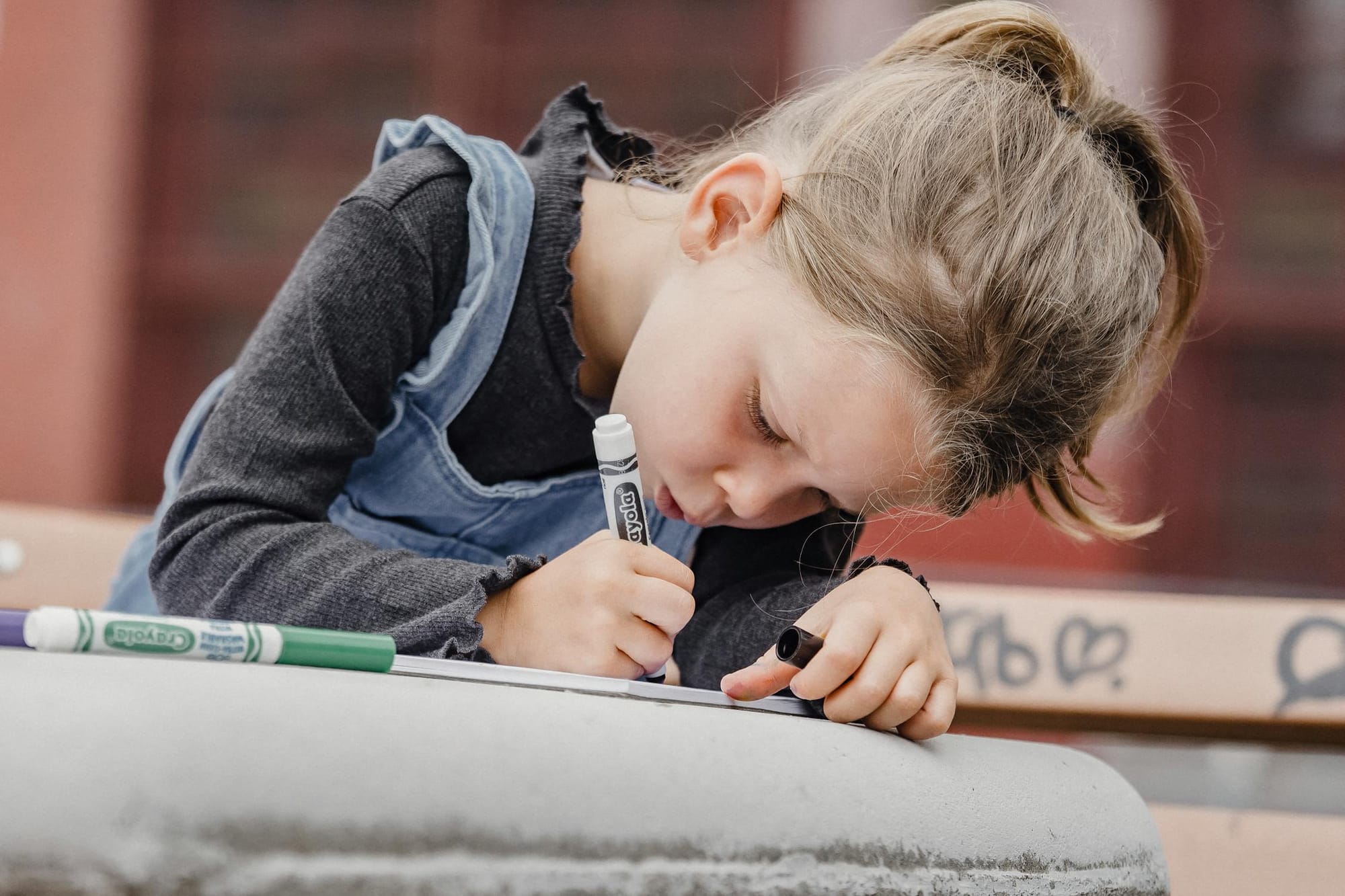
My crafts-loving seven-year-old has recently begun learning to write in cursive, and it has been truly enjoyable to watch her determination in mastering this skill. I can see calligraphy in our future. She sees the entire world as her craft studio, as she glides through her days with a cloud of paper, markers, tape, sequins, and beads that follow her throughout the house as though on their own feet. Out of her imagination, so much beauty flows, although I will admit that at times seeing all the walls covered with so much hand-drawn and taped-up art gets a little much.
Meanwhile her ten-year-old brother, whose intellectual interests more closely replicate both his parents, now claims all magazines that come into the house first, and only releases the issues of Mere Orthodoxy, Plough, or Christianity Today once he is done with them. He has also been reading through all the books in the house, because they’re there. Once recently, he dropped in conversation an obscure fact that my (American historian) husband didn’t know. “Where did you learn it?” Dan asked him. “It was in The Oxford Companion to the Supreme Court,” came the response, reminding us yet again that if you fill your home with books, children will read said books and will become increasingly more informed and sophisticated conversation partners to us. There is no doubt about it: our intellectual lives are richer too because of our children.
There is a general tendency in our society to infantilize children intellectually while robbing them of their childhood through excessive use of screens. But the insufficiently discussed reality is that this also robs parents of the joy of interacting with their children—the joy of mealtime conversations about things they have read and want to discuss, the questions about something they saw outside, and the theological queries about eternal matters that they are just beginning to probe and understand. What a privilege it is to be present for all these moments!
Not every single moment of motherhood is this fun, of course, and it is honest to admit this. Tired children will have meltdowns, especially when they are little. Newborns are as exhausting to care for as they are adorable. While I was blessed to not experience post-partum depression, for many women it is real, and it makes the baby years difficult. Potty-training each of my three children was an absolute nightmare, and is the one parenting task I would consider outsourcing abroad. (Could I send my child somewhere for a week and get him back fully trained? I feel like this business would really take off!) Parents lose hundreds of hours of sleep over the course of their children’s younger years—and because even older children will wake up parents while sick, this continues sometimes into the teens. But then disruptions we would have preferred to avoid are simply a feature of adulting more generally, if we’re honest with ourselves.
It is impossible to drudgery-proof your life. Paying bills is not fun, and neither is dealing with leaky roofs or basements, broken appliances, and going to the dentist. Yet we all generally do all these things that are required of us to live responsibly—for to ignore them will only bring about worse consequences. Indeed, home ownership has arguably been the most exhausting of all things I’ve done in life, much more so than raising children. So why is it that only when it comes to motherhood that it has become acceptable to criticize the very possibility of it and insist that something this difficult should be optional, subject to warning labels akin to those on cigarette packs?
Indeed, I wonder, what if instead of talking about the “motherhood penalty” to women’s paychecks after children we talked about the gain to quality of life? After all, data shows that married mothers and fathers are much happier than all other groups in America. Institute for Family Studies research notes, furthermore, that “Married Moms [are] Twice As Likely to Be ‘Very Happy’ Than Single or Childless Women.”
In other words, my experience of finding some of the greatest happiness in my life in motherhood is actually quite typical rather than anomalous. We were not meant to do life alone. And doing life together with these people of ours is a true and beautiful gift. But letting mom sleep in this weekend (or, really, any weekend) won’t hurt either.
The Weekly Digest
Premier Thought Every Thursday.
All of our recent essays and podcasts, delivered to you. Free.
Free. Delivered Thursday mornings.