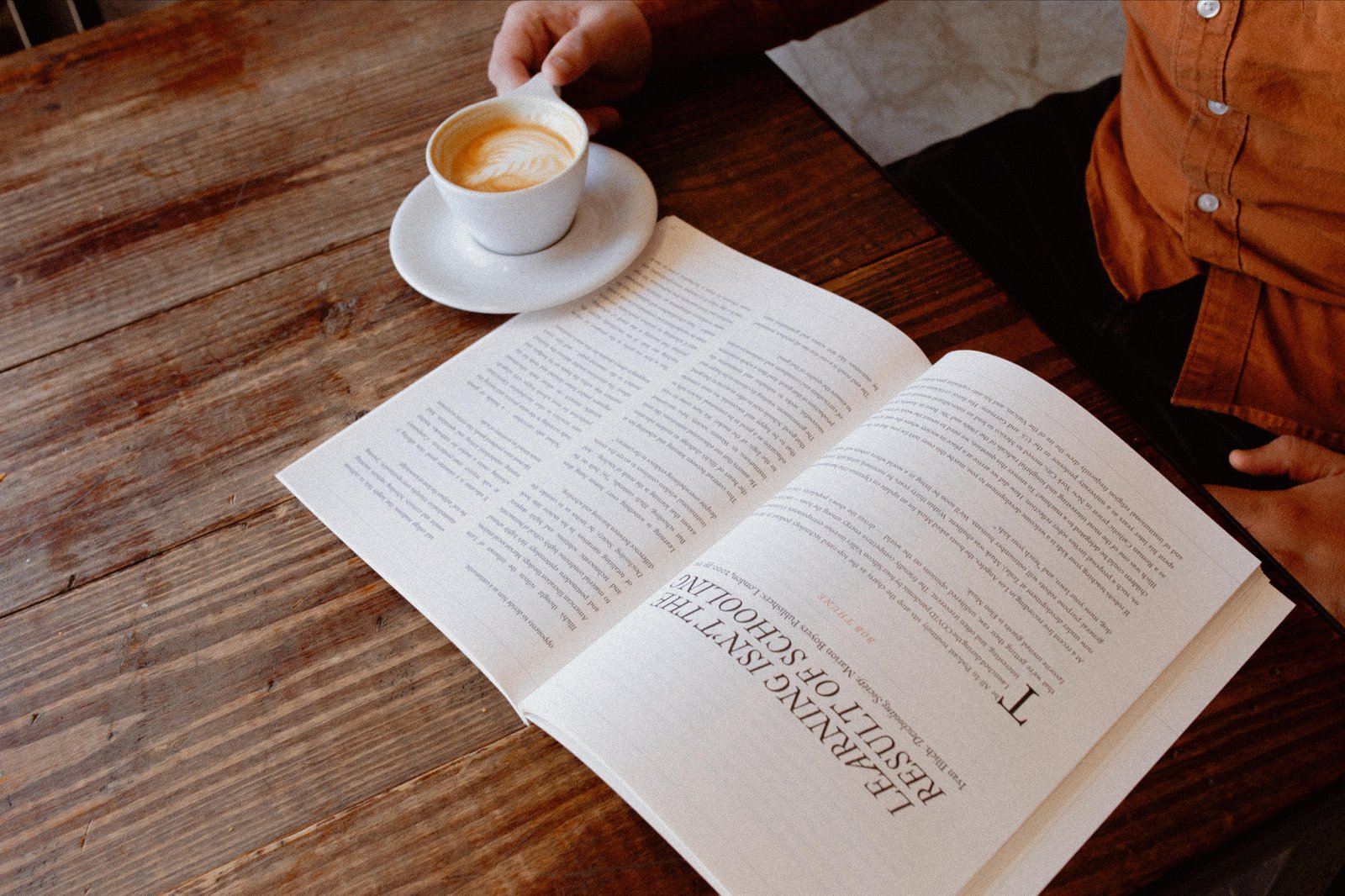

This essay by D.L. Mayfield in Comment is very relevant to my interests:
The suburban neighbourhood where I currently live was not built for community. This was done by design—the suburbs were meant to be bastions of happy isolation, with a playground in every backyard (so what would be the point of a public park?). But as gentrification has affected our city (as it has nearly every major city in the United States), people in poverty—including communities of colour—have been pushed from the urban core farther and farther out in search of cheaper rents. In Portland, they land in my neighbourhood—originally a white-flight suburb for those in the 1950s who wanted to escape the city. The suburbs, research shows, are at the intersection of two trends: the suburbanization of the poor, and the suburbanization of low-income immigrants and refugees. This has created a mixture of tensions, revealing how uncomfortable it can be to live with people who are different from you.
In my neighbourhood homes owned by older white people now sit uneasily next to apartment complexes bursting with families of colour. In the United States the majority of poor people (including refugees and immigrants) now live in such suburban neighbourhoods (a shift that occurred over the last decade). Suburbs are built for people with cars; there is little public transportation and few grocery stores within walkable distance of any type of home. There are precious few public gathering spaces, no community centres, and on every street there are houses with pictures of guns prominently displayed with text that reads: “We don’t call 911.” It is not a friendly neighbourhood if you don’t look like you belong. When I take my daughter to school I walk down the hallways and see women in the full niqab and men wearing camouflage and “don’t tread on me” sweatshirts. Everyone isolated by fear in their own way. But some feel more comfortable, feel more ownership of this neighbourhood, this country, than others.
The Weekly Digest
Premier Thought Every Thursday.
All of our recent essays and podcasts, delivered to you. Free.
Free. Delivered Thursday mornings.