
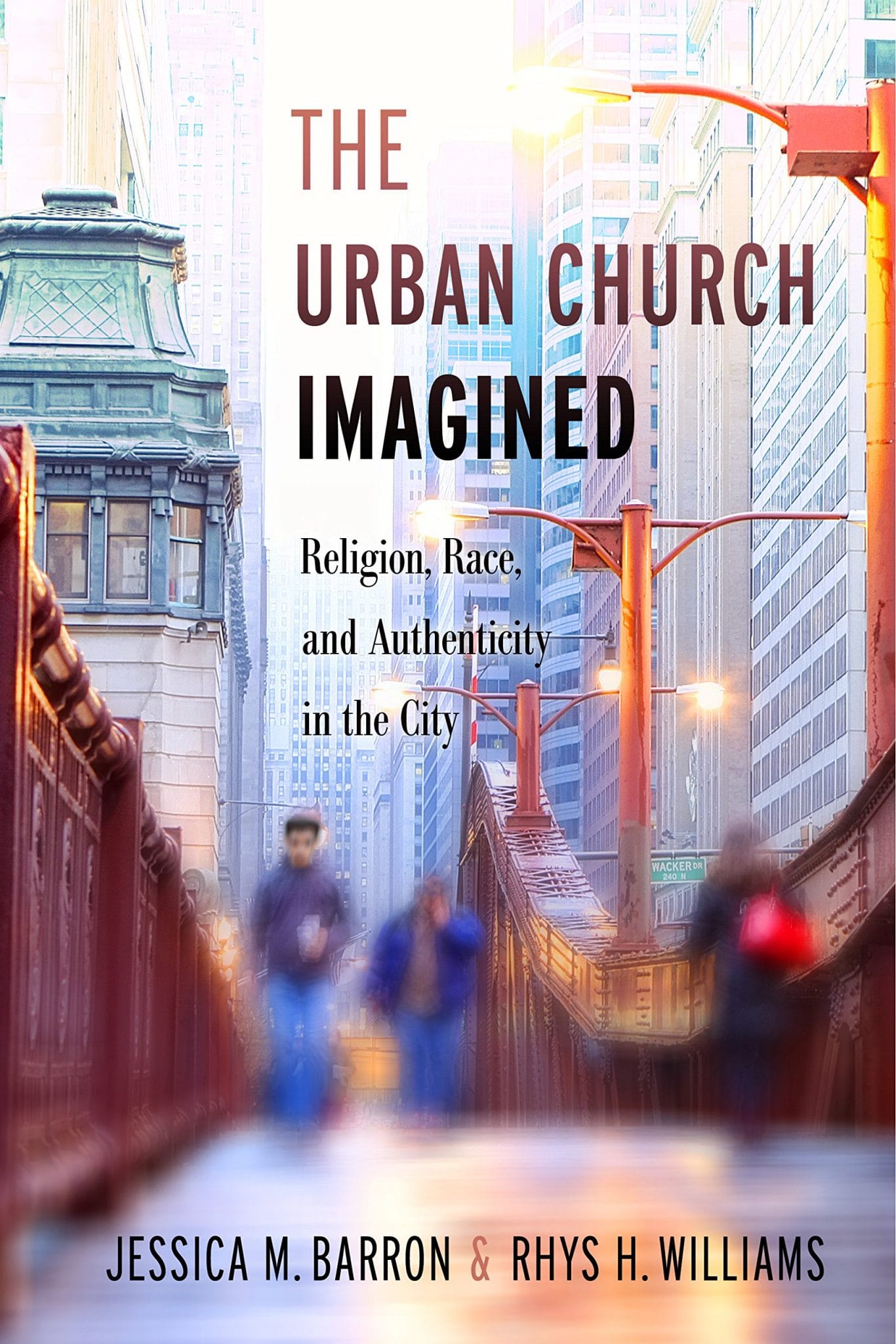
Duke Kwon allows the text to speak for itself in his review of The Urban Church Imagined: Religion, Race, and Authenticity in the City:
This consumer orientation also has implications for the way the church relates to racial diversity and its members of color. Not only has “the ‘urban experience’ itself . . . become a commodity for consumption” (7), but due to the racialization of the urban, diversity has also been commodified. The city is a place where the affluent and educated middle class has come to expect to consume diversity “as experience, as entertainment, and as a part of personal identity” (13). This may especially be the tendency of churches who attract educated and culturally liberal “young professionals.”
There’s a strong academic tone to the quotes he shares, but the underlying reality is pretty brutal: in some urban churches, people want “diversity” in their churches as another consumer perk, like a cool band or a short-enough sermon, but they’re less enthused about actually meeting the needs of diverse people within their congregations. Kwon emphasizes the themes of “the imaginary” and how the idea of “serving the city” overtakes actual neighbor-love as well as this “commodification of diversity” that imports the worst of the seeker-sensitive movement into a new context with a new set of tastes.
The Weekly Digest
Premier Thought Every Thursday.
All of our recent essays and podcasts, delivered to you. Free.
Free. Delivered Thursday mornings.